

The Benefits of a Ventless Pellet Stove
Pellet stoves produce heat from pellets recycled lumber byproducts that burn with a minimum or no carbon emissions. They are considered green because they consume less energy and use byproducts of renewable resources.
To get the most value of your pellet stove you'll need to correctly vent it. Engaging a professional to install your venting will ensure that it meets local codes and safety regulations.
Eco-Friendly
Pellet stoves are more efficient in energy use than traditional fireplaces that burn wood. Pellets are renewable and don't produce as much pollution as fossil fuels like petroleum and natural gas. The combustion process does produce carbon monoxide and particulate matter. It is important to clean your exhaust system and stove regularly to keep them working properly.
Maintaining your pellet stove will ensure that it works correctly and safely and you will get the most efficient heating performance. Regularly cleaning the burn pot, hopper, and exhaust vents will stop the accumulation of ash, which can affect the efficiency of your stove. In addition, making sure that your stove's chimney are properly ventilated and situated at the correct height and distance from your home's walls can help prevent the risk of carbon monoxide accumulating.
Venting for a pellet stove can be accomplished through the wall, ceiling or the roof of your home. The type of venting you choose will depend on the design of your home's design and preferences. Vertical venting is the preferred choice since it keeps the flue gas warm, thereby increasing the efficiency of the stove. It also eliminates the possibility of smoke entering your house in the event of a power failure.
A venting kit can be purchased for your pellet stove to ease installation and ensure proper operation of your stove. These kits include an stainless steel flue pipe with insulation that connects to the stove at one end, and to your home’s masonry chimney on the other. These kits should be installed by professionals to ensure that the stove is safe, in compliance with local building codes and regulations and meet all safety standards.
Pellet stoves are a great alternative for homeowners who want to keep their homes warm without causing any harm to the environment. If you're worried about the environmental impact of your stove's emissions think about using alternative fuels such as biodiesel or propane gas liquefied to heat your home.
Simple to operate
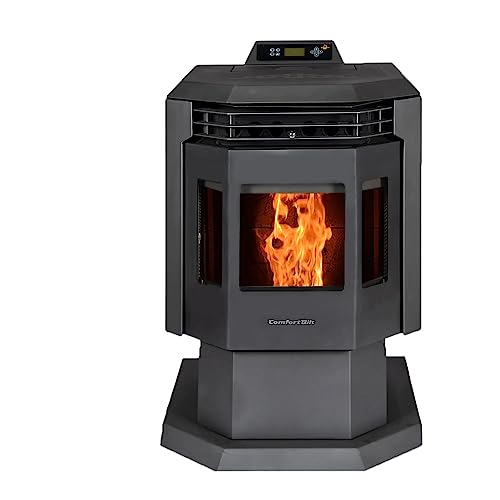
Pellet stoves can be a great alternative for homeowners who would like the appearance of wood-burning stoves but don't have time to clean up ashes and chimneys. A pellet stove is a closed unit that has a hopper to hold the pellets and a combustion chamber, as well as an air-flow fan that circulates heated air into the room. The stove can be controlled by an electronic remote or thermostat. pellet stoves inserts can be set to the desired temperature, so that you don't need to adjust the settings constantly.
Pellets are tightly compressed and burn very hot. This makes them cleaner than traditional wood-burning fireplaces and stoves. They also produce much less creosote which can be an hazard to fire. Pellet stoves are easily cleaned and maintained.
Pellet stoves, unlike other appliances and fuels, are self-igniting. A small, hot surface igniter, controlled by the circuit board, warms the pellets and starts them burning. The pellets are then blown out of the burner via tubes into an exhaust fan which pushes the smoke and combustible gases out of the stove, through a vent. The filtered exhaust will be vented through the cleanout tee into the wall or up through the roof depending on the installation and local codes.
Most pellet stoves are designed to be direct-vented. Certain pellet stoves are available as freestanding units that can be incorporated into an existing fireplace. They can also be tucked away within a hearth. They can be connected to your home's venting system, but they aren't able to provide as much warmth as a stove venting through an open fireplace.
pellet stoves inserts of your pellet stove is located at the rear. The capacity of the hopper varies depending on the stove, and you'll need to replenish it whenever the supply of fuel is low. It is recommended that you purchase a larger hopper because it will allow the stove to run for longer durations between refills.
A circuit board regulates the blower and hopper, in addition to other functions of the stove. The circuit board regulates the amount of pellets that are fed into the burner and the flow of air through the hopper. The hopper also has sensors that help regulate the operation of the stove.
Convenient
If you're looking for a straightforward method to heat your home without the need for complex venting or dealing with messy pellets, a ventless pellet stove may be just what you're looking for. Pellet stoves operate by burning compressed wood pellets, which are easily available in 40-pound bags. These pellets are usually made from wood shavings and sawdust recycled from the past (which is the reason they are regarded as carbon neutral).
They are extremely simple to use, requiring that you load them up, set the thermostat, and then turn on the fan. The stove will automatically adjust to maintain the desired temperature.
Pellet stoves usually make use of natural convection for room heating, however most models come with what is called a distribution blower, to assist in the process. The blower pulls cool air into the stove and then passes it over an exchanger on the top of the chamber for combustion. The heat exchanger transfers the warmth from the burning pellets to the circulating air and a fan distributes this heated air throughout your living space.
Pellet stoves produce a small amount of dust because they burn a clean fuel. But this does mean that you'll have to clean your ash drawer or pot on a regular basis. Most modern stoves have an easily accessible ash drawer that makes it easy to clean and remove the ash.
A pellet stove with a backup power source will continue to function even if the main power goes out. This feature isn't for free, and the backup power source only lasts for 8 hours. If you're worried about a power failure then consider buying gas stoves instead.
Ventless pellet stoves will still require a chimney, however it can be run horizontally through an exterior wall or a masonry chimney. The fact that you don't have to run a vent up through your ceiling and out of your roof cuts down on the time and expense when installing ventless stoves.
Efficient
Pellet stoves consume less energy than other wood-burning fireplaces. Certain models are rated up to 99% efficient. They do so by using technology to ensure that the pellets are burnt completely prior to exiting the combustion chamber. This is possible due to advancements in the design of combustion chambers and the use of thermostats that can be programmed. These advances help ensure the heat generated in the home is evenly distributed.
Pellet stoves are easy to maintain and emit minimal or no odor unlike other fire places with wood burning. It is only necessary to empty and refill the hopper at least once each day, and you don't need to lug heavy bags of firewood, or spend time cutting down or buying it.
As a heating system, pellet stoves have several other advantages. They are usually less expensive than a wood-burning or gas fireplace and can be integrated into hot water systems for domestic use in order to reduce your energy bill. Additionally, pellet stoves can be used to heat only one room in your home, thereby reducing heating expenses and reducing the amount of fuel required to heat your entire home.
However there are a few points to think about before buying a pellet stove. Pellet stoves are powered by electricity, therefore they won't work during a power failure. This may be a major consideration for homeowners who live in areas with frequent outages. Some manufacturers provide battery backups that can give you a few more hours of operation.
Although pellet stoves are incredibly efficient, they do not provide as much warmth as vented fireplaces. This could be a problem when you have an enormous house or live in cold climates.
To maximize the efficiency of a pellet stove, it should be properly designed and maintained. A certified professional can inspect your home to determine the best size of stove for your particular heating requirements. Homeowners should also clean their stoves on a regular basis and have them professionally cleaned around once a yearly. They should also alter the settings of their stoves to meet their heating needs and ensure that their homes are properly insulated to lower energy usage.